Mongolia, Russia Form Joint Working Group on Western Rail Corridor Feasibility
 Ч.Сумъяабазар
09 сарын 28, 2026

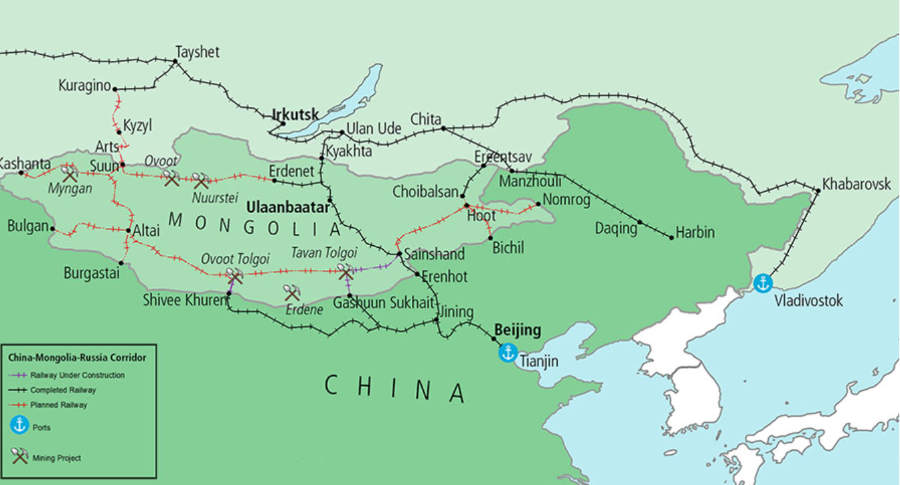
ULAANBAATAR, Mongolia – Mongolia and Russia have agreed to establish a joint working group together with representatives from China to conduct a feasibility study for the long-discussed western rail corridor linking Artssuuri port of Uvs province of Mongolia to Bulgan port of Khovd province.
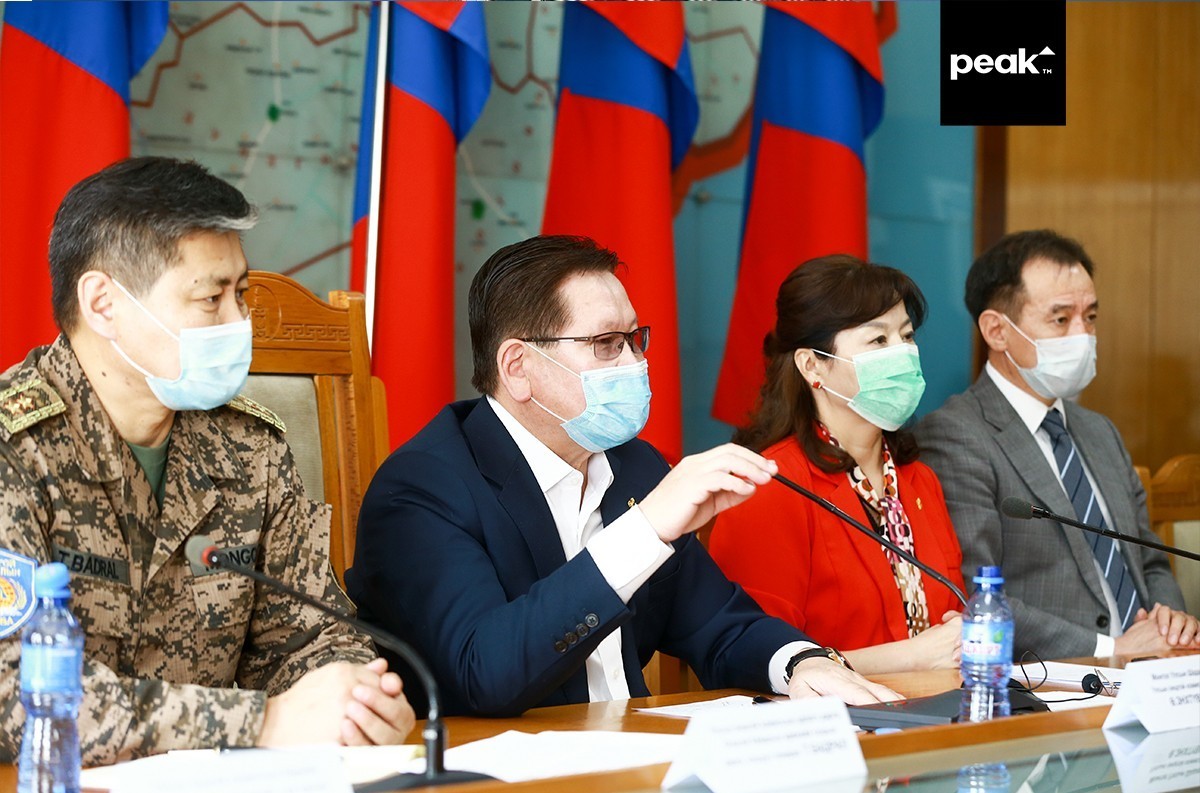
The initiative establishes a joint technical framework during meeting by the Deputy Prime Minister of Mongolia N.Nomtoibayar with Russian Deputy Prime Minister Alexei Overchuk in Ulaanbaatar to evaluate the western transport axis. The proposed line will extend from the Artssuuri border port on the border with Russia through Khovd province to the Bulgan border port adjacent to China.
According to government projections, the western vertical railway will handle an annual freight capacity of 15 million to 20 million tons. The line will primarily facilitate the export of mineral resources, agricultural goods, and regional transit cargo.
Structural Causes of Extended Delays
While integrated into Mongolia's long-term infrastructure strategy and the "New Revival Policy," the western rail corridor project has faced decades of stagnation due to interconnected technical, financial, and geopolitical factors:
Railway Gauge Disputes: A primary technical bottleneck across Mongolian rail infrastructure has been the policy debate over track gauge selection. Choosing between the Russian standard broad gauge (1520 mm) and the international standard gauge (1435 mm) used by China caused years of stagnation and delayed final alignment approvals.
Funding and Capital Shortfalls: Total investment required for the western corridor is estimated in the billions of dollars. Securing private investment or public-private partnership (PPP) structures proved difficult without guaranteed transit volume commitments from neighboring countries.
Prioritization of Eastern and Central Corridors: State infrastructure funding was historically concentrated on expanding the central corridor (Altanbulag–Zamiin-Uud) and developing South Gobi export lines, such as the Tavantolgoi–Gashuunsukhait route, deferring western projects to later implementation phases.
Strategic Significance and Economic Impact
The Artssuuri–Bulgan rail line serves as a key western vertical artery within the broader Russia-Mongolia-China Economic Corridor. Once operational, it will establish a direct, high-capacity land route connecting Siberian industrial centers in Russia to western Chinese markets through Uvs and Khovd provinces.
Domestically, the infrastructure is designed to unlock major mineral deposits in the western region, lower logistics costs for local enterprises, and generate permanent maintenance and operational jobs across remote western provinces.
Sources: https://mongolia.gov.mn/
Холбоотой сэдвүүд
булган боомт номтойбаяр төмөр зам увс улаанбаатар төмөр зам ховд арцсуурь
Санал болгох