Mongolia at the SCO Summit: Khurelsukh Seeks Energy, Trade and Transit Gains from China and Russia
 Ч.Сумъяабазар
09 сарын 06, 2026

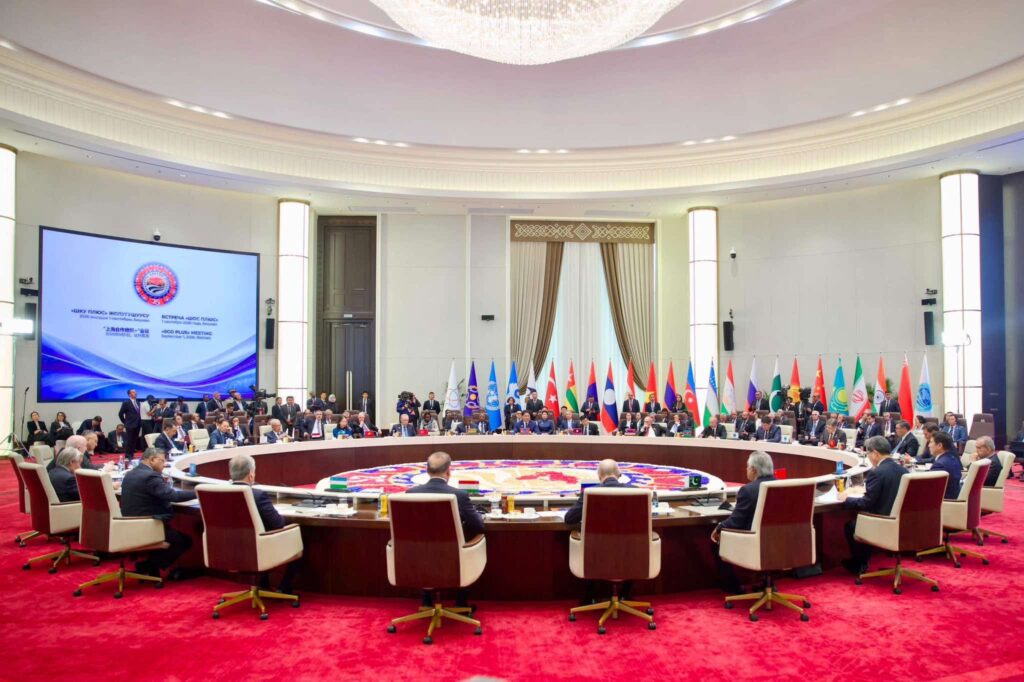
BISHKEK, Kyrgyzstan — Mongolia used this week’s Shanghai Cooperation Organisation summit in Bishkek to seek practical economic support from its two giant neighbours. President U.Khurelsukh held separate talks with Chinese President Xi Jinping and Russian President Vladimir Putin on August 31 and September 1.
The discussions focused on fuel, railways, energy, mining, trade and transport corridors rather than security politics, as landlocked Mongolia sought to leverage its position between China and Russia while reducing vulnerabilities created by dependence on both markets.
The summit brought together leaders of China, Russia, India, Iran and the Central Asian states. It adopted 28 documents on security, trade, investment, energy, technology, environmental cooperation and transport. Pakistan took over the SCO chairmanship for 2026–27.
Xi offers support on trade, fuel and connectivity
Xi’s August 31 meeting with Khurelsukh was significant because China is Mongolia’s largest trading partner and main destination for mineral exports.
Xi said Beijing would continue prioritising Mongolia in its neighbourhood diplomacy and called for deeper cooperation in trade, connectivity, energy and minerals, including green minerals, artificial intelligence and the digital economy.
The presidents discussed raising bilateral trade to a US$30 billion target over the next five years and accelerating cross-border rail projects, including Gashuunsukhait–Gantsmod, Shiveekhuren–Sekhee, Bichigt–Zuunkhatavch and Khangi–Mandal.
Gashuunsukhait–Gantsmod would connect a major Mongolian coal-exporting area to China’s rail network, allowing more minerals to move by rail and reducing reliance on roads.
They also discussed the Erdeneburen hydropower project and expanded oil and gas cooperation.
Fuel was another immediate concern. China said it would continue supporting Mongolia with petroleum products despite international market instability. That matters because Mongolia has faced periodic shortages and historically depended heavily on Russian supplies.
An additional Chinese supply source could help Ulaanbaatar manage disruptions, transport costs, border logistics and geopolitical shocks affecting domestic prices and availability.
Xi also urged Mongolia to protect the legitimate interests of Chinese companies operating in Mongolia. Khurelsukh reaffirmed Mongolia’s commitment to its comprehensive strategic partnership with China and to expanding cooperation in trade, investment, agriculture, mining and the green economy.
Putin talks railways, energy and the Russia–China corridor
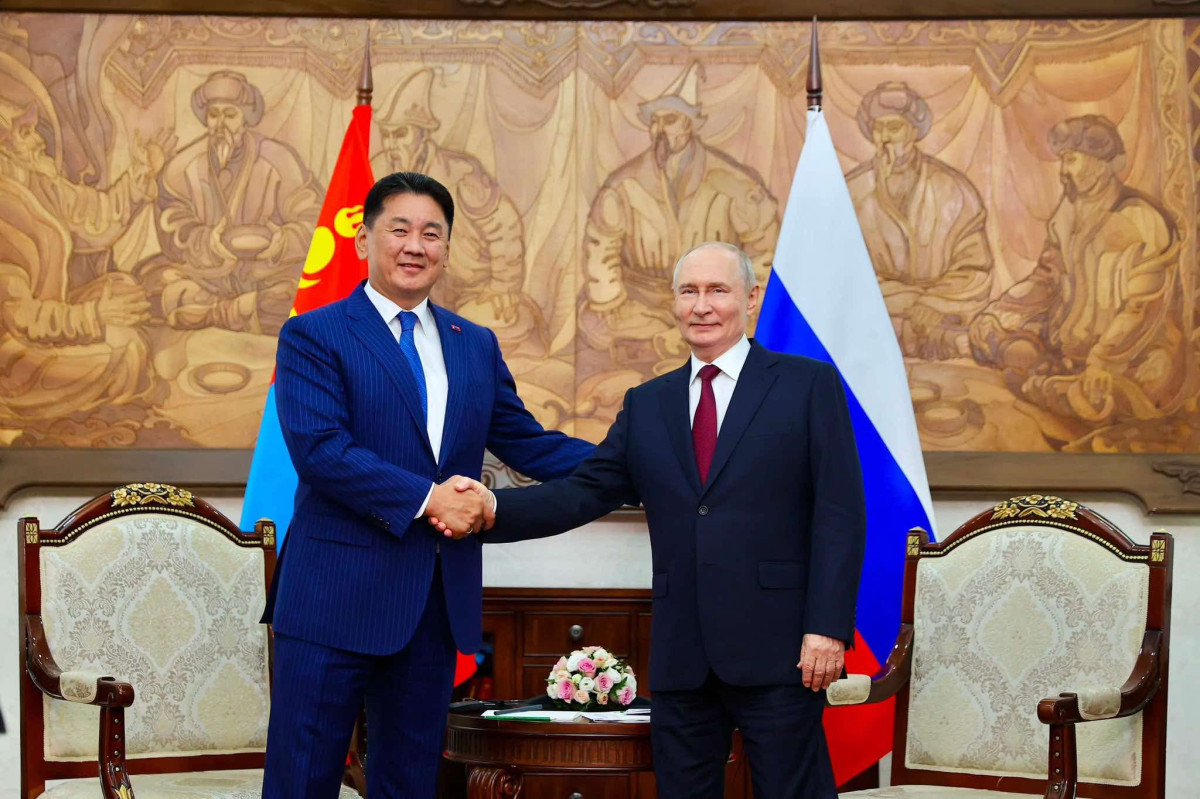
On September 1, Khurelsukh met Putin. The presidents identified energy, road transport, industry, mining and agriculture as priorities, with transport and energy infrastructure prominent.
They discussed modernising the Ulaanbaatar Railway and raising freight capacity from about 30 million tonnes to 50 million tonnes annually over the next five years. They also agreed to study western and eastern railway corridors linking Russia, Mongolia and China.
The corridors could open opportunities for Mongolia’s western provinces, provide access to Russian and northeastern Chinese ports, and give the landlocked country more options for exporting minerals, agricultural products and other goods.
The presidents discussed accelerating the Egiin Gol hydropower project, expanding and modernising Ulaanbaatar Thermal Power Plant No. 3, and possible cooperation with Rosatom on small and medium-sized nuclear plants.
They also agreed to intensify work on the proposed Russian gas route to China through Mongolia. If built, Mongolia could become both a transit country and a consumer of Russian gas, adding an energy source for heating and industry.
The talks coincided with implementation of an interim free-trade agreement between Mongolia and the Eurasian Economic Union. Putin said it could provide preferential conditions for Mongolian traditional exports in EAEU markets. Russian officials reported that bilateral trade rose 4.5% in 2025 and another 18.1% in the first half of 2026. (Global Security)
The test will be whether these commitments deliver higher exports, greater rail capacity and more reliable energy supplies rather than another round of declarations.
What does Mongolia actually gain?
The meetings offer four potential advantages.
First, energy security: China and Russia provided fuel assurances, while Russia discussed electricity, thermal power, hydropower, nuclear energy and gas.
Second, transport connectivity: expanded Ulaanbaatar Railway capacity and new links to both neighbours could move more mineral and agricultural exports while reducing reliance on individual crossings.
Third, market access: the US$30 billion China trade target and EAEU agreement could support exports beyond coal and copper, including meat, cashmere, wool, leather and agricultural products.
Fourth, Mongolia could turn its geography into an economic asset. Rather than remain simply a landlocked country between two powers, it aims to become a transit and logistics bridge linking Russia and China. The proposed gas pipeline, railway corridors and border projects support that goal.
Most gains, however, depend on financing, construction and implementation. The summit produced political commitments and instructions to officials, not completed projects.
Why isn’t Mongolia a full SCO member?
Mongolia became the SCO’s first observer in 2004, but unlike India, Pakistan, Iran and Belarus, it did not pursue full membership. The SCO Secretariat still lists Mongolia as an observer, and Mongolian leaders attend expanded and SCO-Plus meetings rather than formal member-state sessions. (Shanghai Cooperation Organisation)
The hesitation reflects Ulaanbaatar’s effort to maintain close ties with China and Russia while developing “third neighbour” relationships with Japan, the United States, South Korea and the European Union.



Сэтгэгдэл бичих
Та сэтгэгдэл бичихдээ бусдад хүндэтгэлтэй хандана уу. Ёс бус сэтгэгдлийг Peak.mn сайт устгах эрхтэй.