Preserving the Steppe: "Nomads" World Cultural Festival Kicks Off Near Ulaanbaatar
 Ч.Сумъяабазар
08 сарын 21, 2026

ULAANBAATAR, Mongolia—Under the vast blue skies of the Mongolian steppe, the annual "NOMADS World Cultural Festival" officially opened today, bringing together over 1,000 cultural heritage bearers, herders, and international delegates just outside the capital city.
Running through August 23, the three-day celebration serves as a vital global platform dedicated to showcasing, preserving, and celebrating intangible nomadic traditions.
A Global Gathering of Nomadic Civilizations
Organized under the auspices of Mongolia's cultural authorities and international partners, this year's festival expands its scope beyond national borders. Representatives from over a dozen regions with deep nomadic roots—including China’s Inner Mongolia, Kazakhstan, Kyrgyzstan, Hungary, Central Asian nations, and several Siberian republics—have gathered in camp-style ger settlements set against the steppe landscape. Representatives from UNESCO are also in attendance to assess and document living heritage practices.
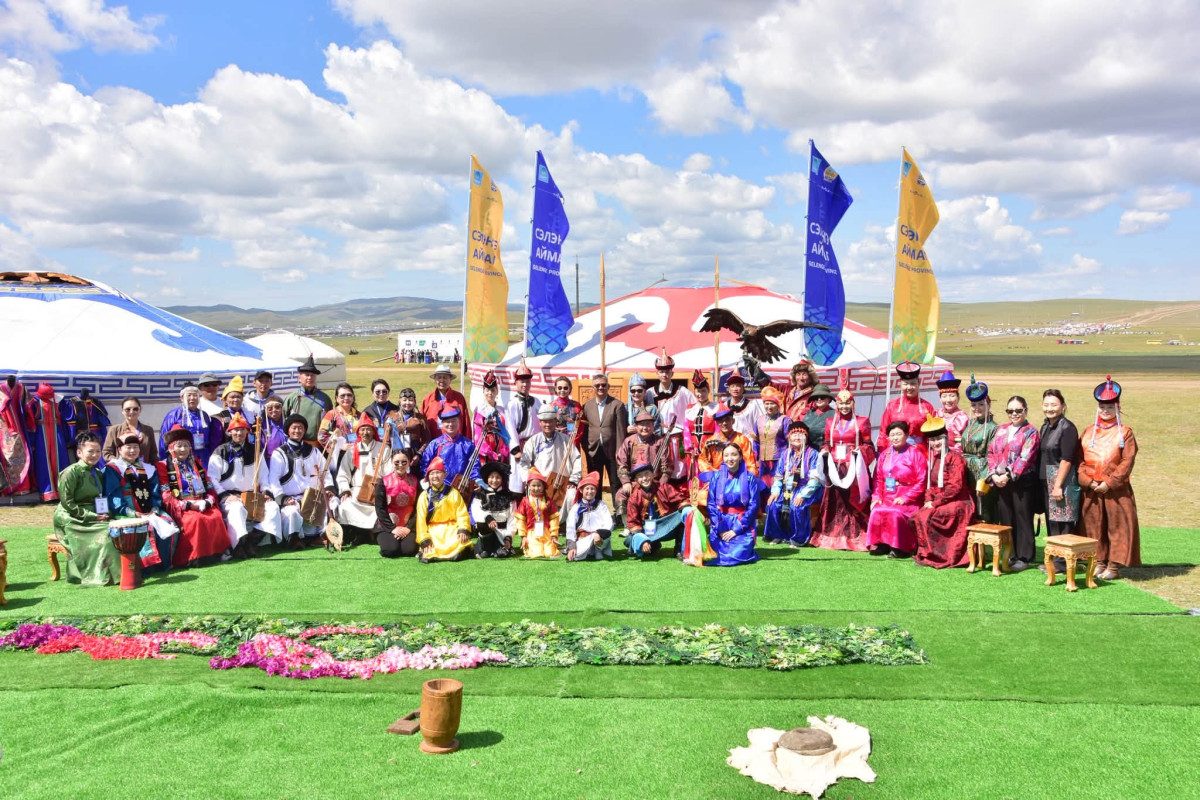 "This festival is not merely a performance; it is a living collection of wisdom passed down through millennia," said organizers during the opening ceremony.
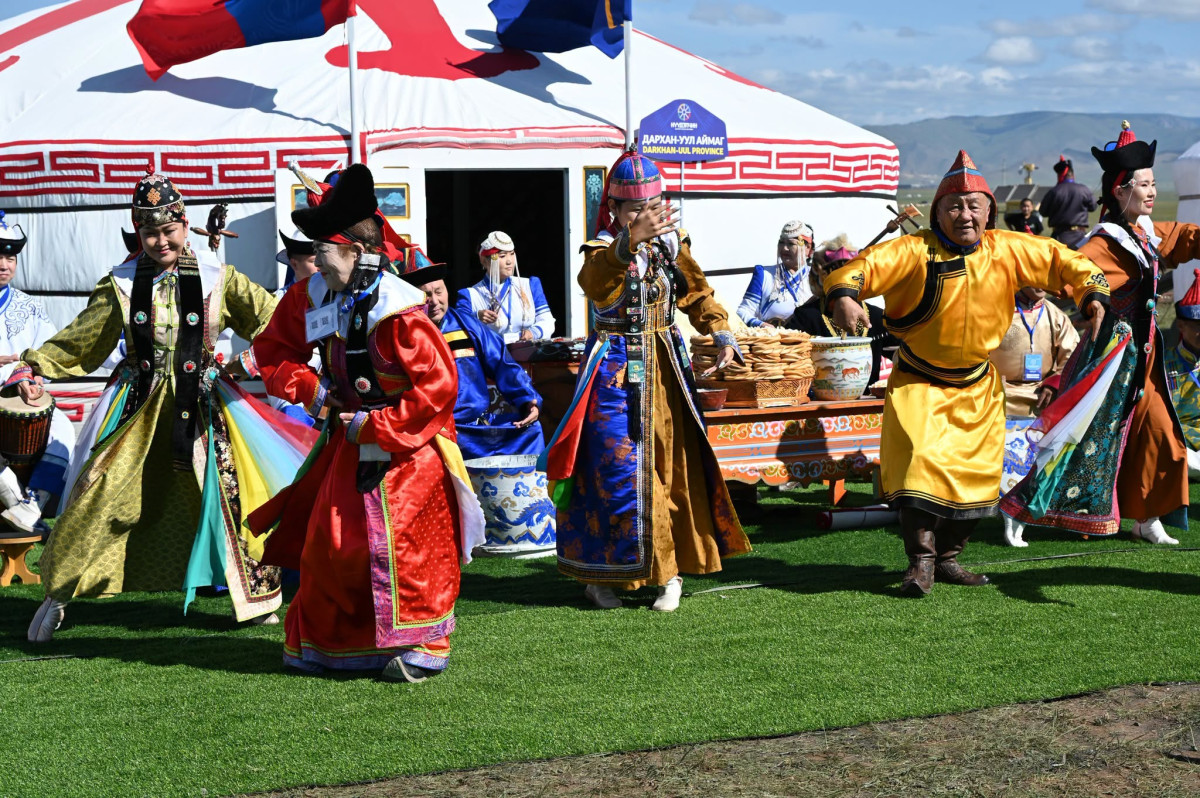 Key Highlights from the Opening
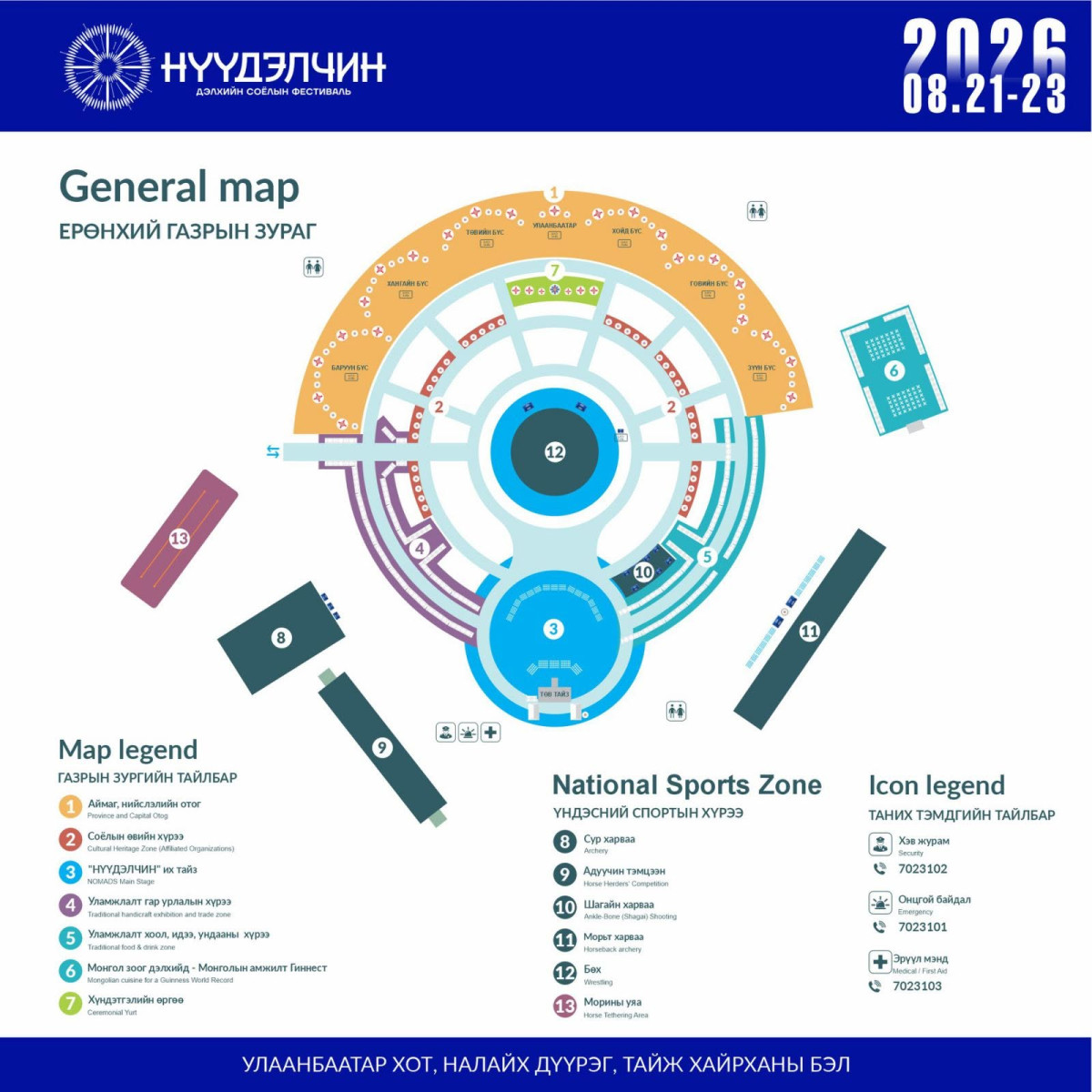
Festival-goers over the next 72 hours will witness hundreds of events designed to test and showcase nomadic endurance, art, and daily survival skills:
- 15 Traditional Sports Competitions: Featuring ancestral displays of horsemanship, high-speed lassoing, archery, and traditional wrestling.
- Intangible Cultural Displays: Over 700 scheduled performances and exhibitions highlighting throat singing (khoomei), the horse-head fiddle (morin khuur), classical long songs, and traditional contortionism.
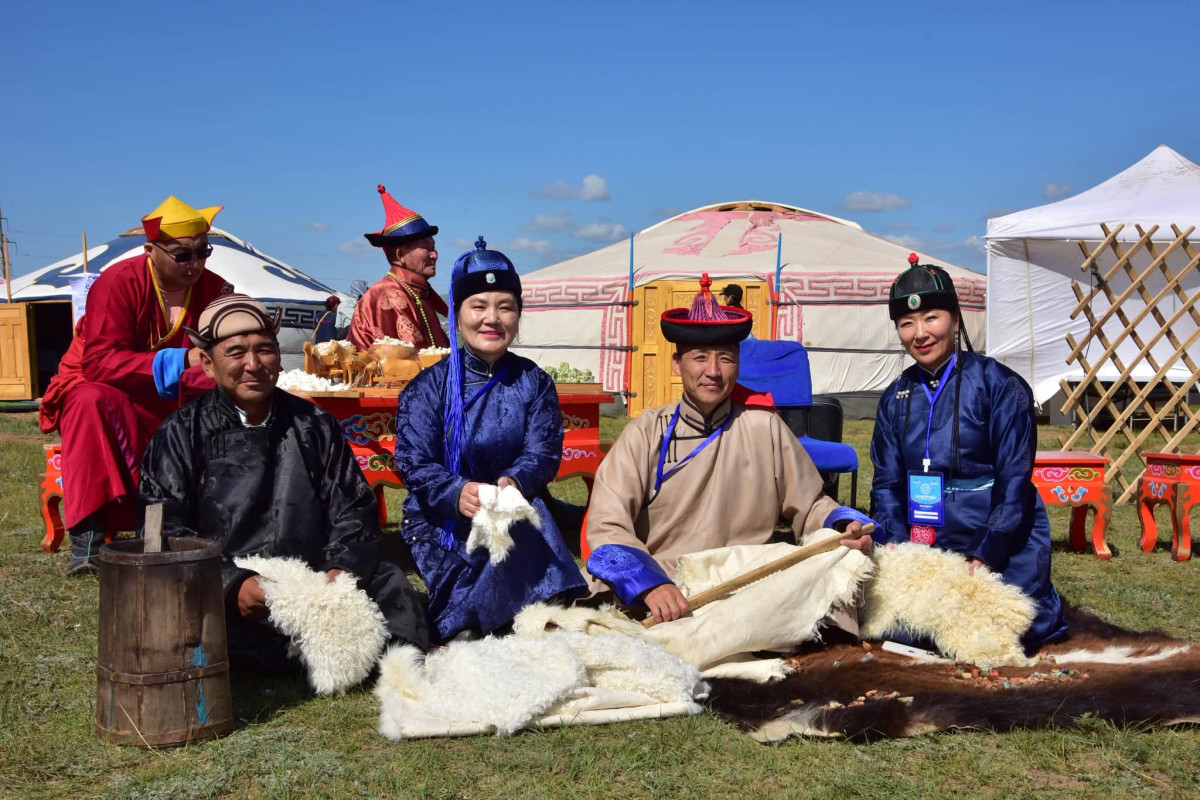
- Living Customs & Fieldwork: Demonstrations of rapid ger (yurt) assembly, felt making, livestock herding techniques, and ancient dairy processing.
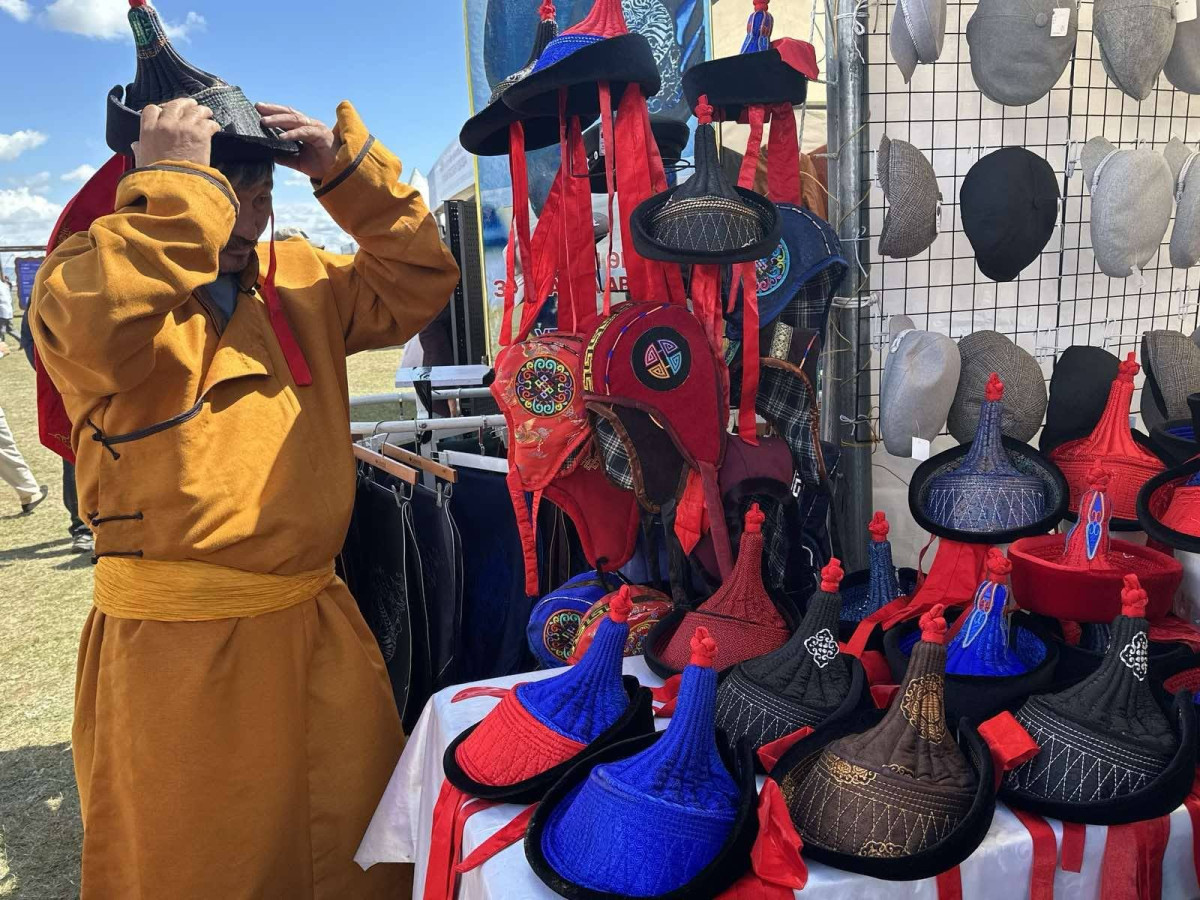
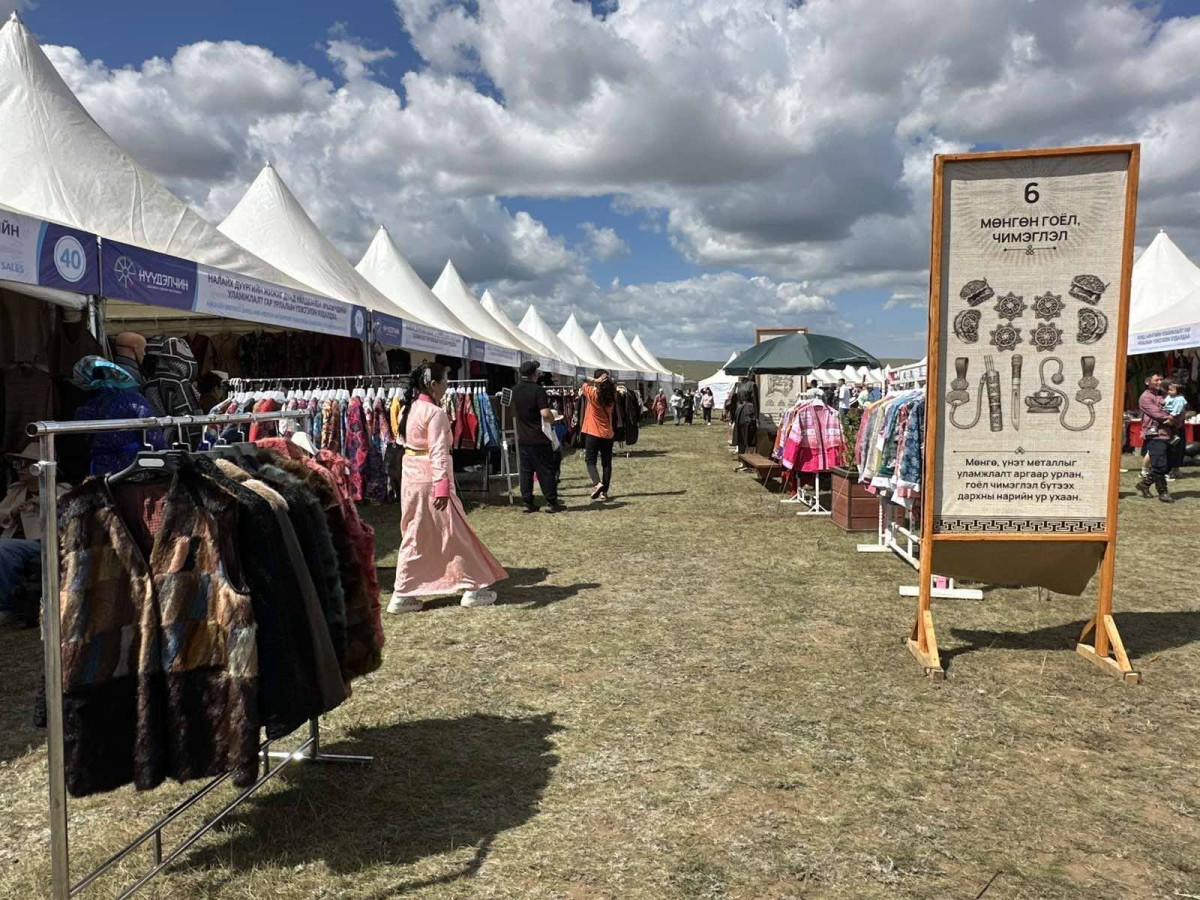
- The Tourist Food Street & SME Expo: A massive trade showcase featuring native delicacies—such as fermented mare's milk (airag)—and sustainable wool and leather handicrafts from 167 creative enterprises
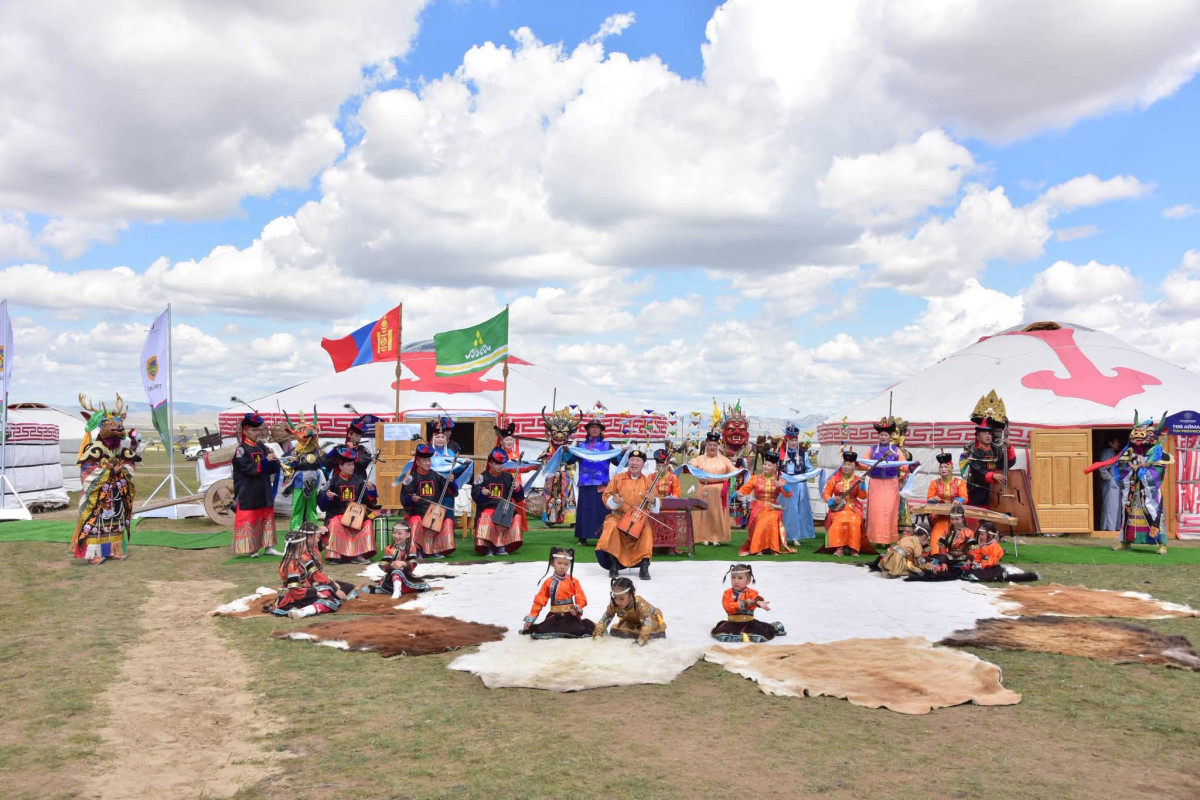
Adaptation in a Changing Climate
Beyond the music, food, and sports, the 2026 festival carries an urgent theme: climate adaptation. Parallel to the cultural showcases, the event hosts an international conference titled "Nomad World: Past and Future," bringing together researchers and herders to discuss how traditional ecological knowledge can offer modern solutions to pasture degradation and severe winter conditions (dzuds).
As night falls on day one, the foothills echo with the sounds of throat singers and bonfires, signaling a successful launch for one of Central Asia's most prominent cultural events.
Холбоотой сэдвүүд
Санал болгох