COP17: Global Stakeholders Convene in Ulaanbaatar to Build Climate-Resilient Cashmere Supply Chains
 Ч.Сумъяабазар
08 сарын 21, 2026

ULAANBAATAR, Mongolia—Global textile leaders, sustainable agriculture experts, herding cooperatives, and international development agencies met at the UNCCD COP17 summit to address the urgent need for sustainable cashmere supply chains.
With Mongolia producing roughly 40% of the world's raw cashmere, the country’s vast rangelands face severe pressures from climate change, pasture degradation, and extreme winter events (dzuds). High-level panel discussions and showcase campaigns highlighted concrete pathways to protect fragile dryland ecosystems while supporting herder livelihoods.
 Balancing Herder Livelihoods and Rangeland Health
More than 1.2 million people in Mongolia rely on livestock production for their living, with cashmere generating up to half of household incomes in rural communities. However, overstocking and shifting weather patterns have contributed to nearly 77% of Mongolian land being classified as degraded.
During the sessions, delegates emphasized shifting the value chain from volume to value—encouraging herders to manage smaller, higher-quality herds that produce finer fiber while reducing grazing pressure on fragile soils.
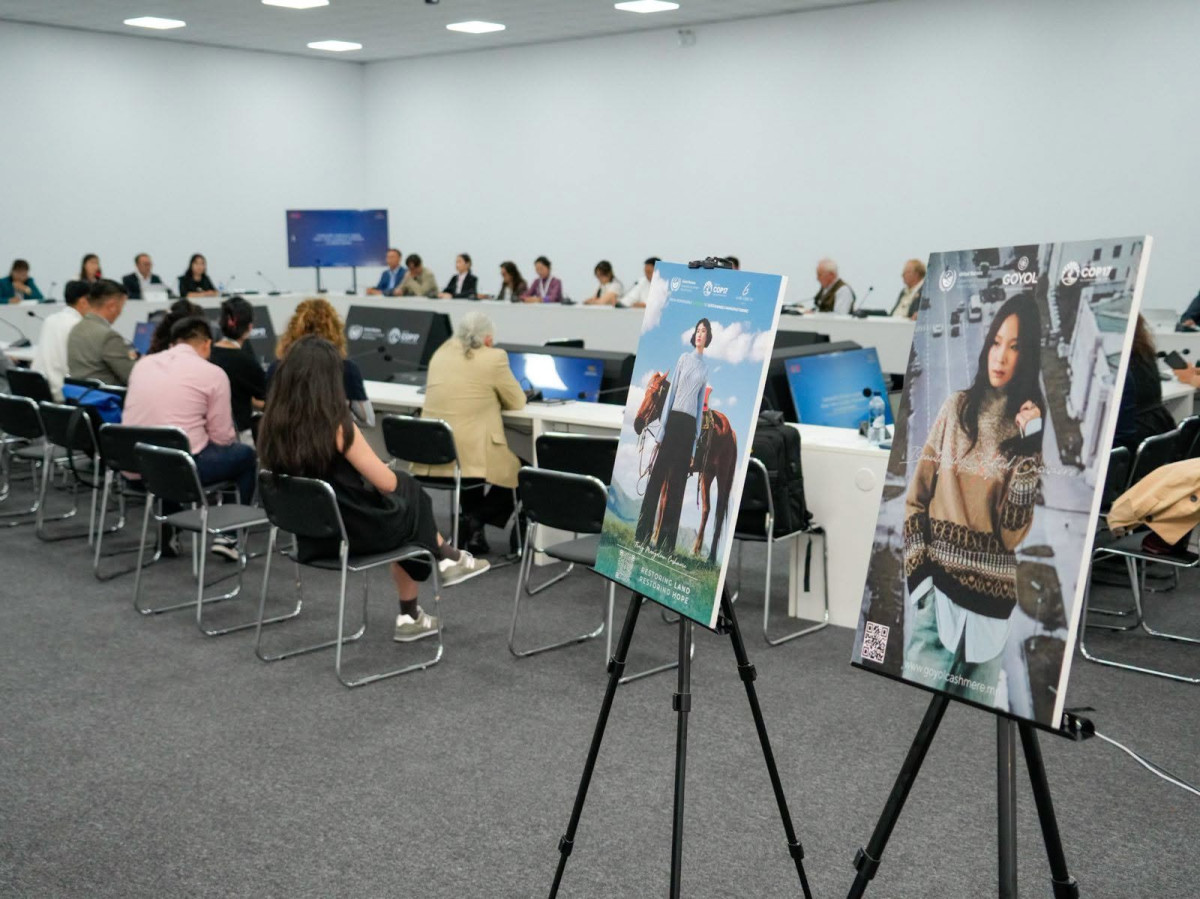
The "Threads of Change" Campaign Launched
A major highlight of the conference's supply chain discussions was the launch of the "Threads of Change" campaign, a joint initiative by the UNDP, local brand Bodios, and international certified New-Zealand-based B Corp partners.
- Traceability & Fair Pricing: The project demonstrates a fully traceable supply chain, linking pastoralist herders who practice rotational grazing directly with luxury sustainable fashion brands.
- Pastoralist Empowerment: By forming herding cooperatives under standard frameworks like those set by the Sustainable Fibre Alliance (SFA), herders earn higher market premiums in exchange for managing pasture restoration.
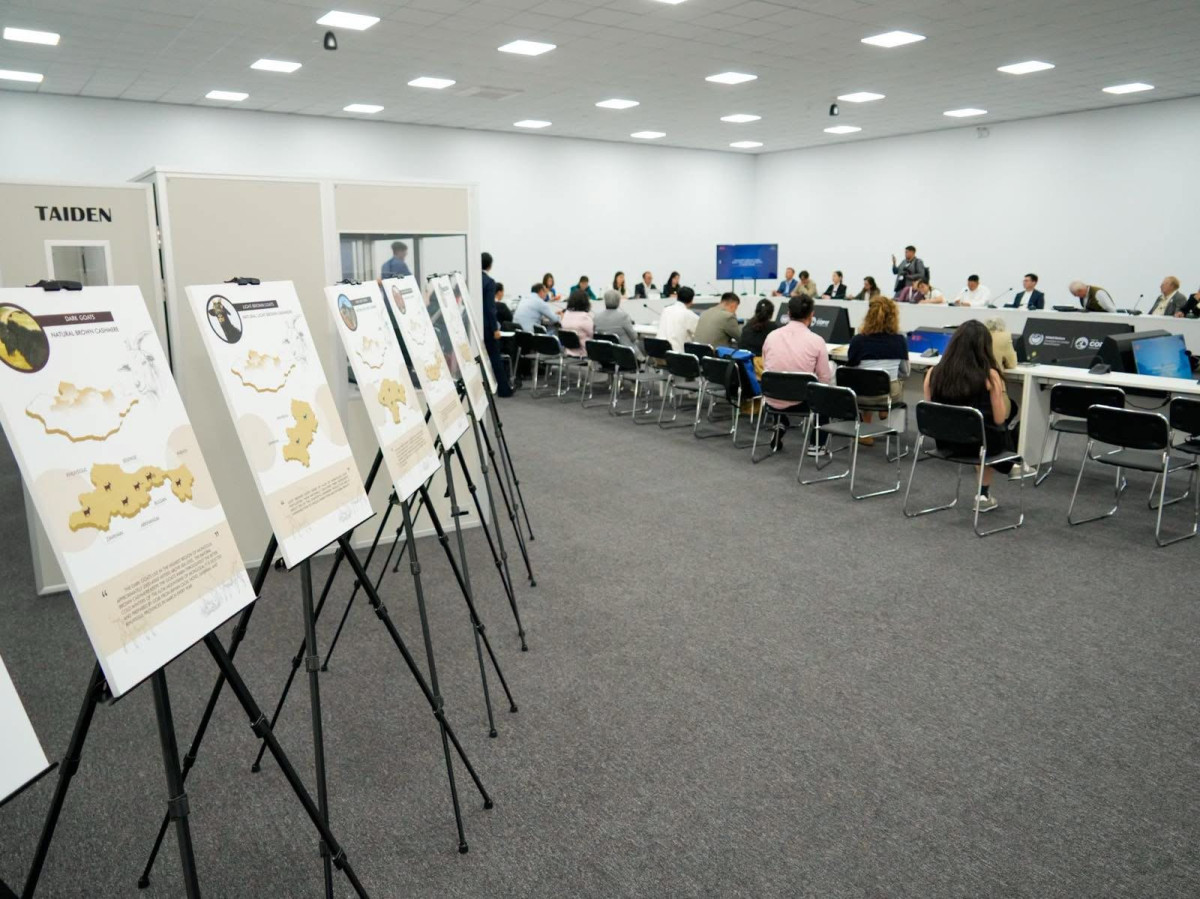
Private Sector and Policy Alignment
In parallel, discussions organized under the UNCCD’s "Business4Land" initiative brought together international brands and local textile producers to discuss joint private-sector investments in sustainable land management.
Speakers stressed that achieving true sustainability in natural fibers requires commitment from all sides—from local herding practices on the Mongolian steppe to purchasing policies at global fashion houses in Paris, Milan, and New York.
Холбоотой сэдвүүд
Санал болгох